Eugen Soloviov
Trading-systems engineer
Trading-systems engineer building bots since 2017: cross-exchange arbitrage (connected up to 30 venues), cointegration-based pairs arbitrage across spot and futures, scalping, news and sentiment-driven strategies, trend algorithms, and portfolio management and balancing algorithms. Also builds sub-millisecond order execution, big-data warehouses, backtesting engines, AI agents, and trading interfaces (incl. open-source profitmaker.cc). Stack: JS/TS, Python, Rust/Zig/Go, DevOps, backend, frontend, architecture.
Makaleler
Maker-taker kararı: fee kademeleri, rebate'ler ve spread'i geçmenin gerçek maliyeti
Maker vs taker, fee tarifesi giymiş bir adverse selection ticaretidir. Glosten-Milgrom üzerinden break-even matematiği, gerçek kripto fee kademeleri ve token indirimleri, rebate mining'in tarihi, kuyruğa bağlı rebate değeri ve backtest'te kademeli fee'lerin modellenmesi.
Implementation shortfall ve kendi TCA'nızı kurmak: execution size gerçekte ne kadara mal oluyor
Perold'un implementation shortfall'ı, kripto botları için işleyen bir TCA hattına dönüşüyor: arrival-price ayrıştırması, t+1s/10s/60s'de markout eğrileri, kendi fill'leriniz üzerinde ~200 satır Python ve sonuçları backtest maliyet modelinize geri besleme.
Zincir üzerinde likidasyonlar: Aave ve Compound mekanikleri ve etraflarındaki bot işi
Aave v3 ve Compound likidasyonları gerçekte nasıl çalışır: sağlık faktörü matematiği, kapanış oranları (close factor), likidasyon bonusları, Chainlink oracle tetikleyicileri ve 2026'da flash loan likidasyon botu işletmenin gerektirdikleri.
Kantitatifler için Uniswap v3: Temel İlkelerden Konsantre Likidite ve Tick Matematiği
Uniswap v3'ün kaputun altında gerçekte nasıl çalıştığı: sanal rezervler, likidite L, sqrtPriceX96, tick matematiği, feeGrowthInside ve bir LP pozisyonunun neden kısa volatilite getirisi olduğu. Kesin formüller ve sayısal bir örnekle.

MEV anatomisi: sandwich saldırıları, frontrunning ve mempool'un karanlık ormanı
Herkese açık bir RPC'ye gönderdiğiniz her swap, kimsenin yerine getirmek zorunda olmadığı görünür bir limit emridir. MEV çıkarımının nasıl işlediğine dair teknik bir inceleme: mempool sıralaması, Uniswap v2'de sandwich matematiği, PGA'lar, Flashbots ve trader savunmaları.
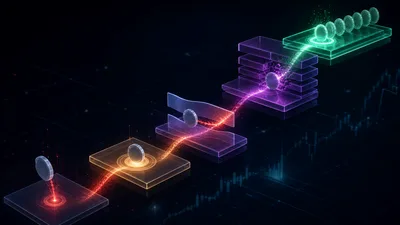
Fill simülasyonu: kapanış-fiyatı fantezisinden kuyruğu dikkate alan gerçekliğe uzanan merdiven
Kapanış-fiyatı fill'lerinden olasılıksal kuyruk-pozisyonu modellerine kadar fill simülasyonu fidelite merdiveninin beş basamağı. Bir durum makinesi olarak kısmi fill'ler, bir PnL parantezi olarak limit-fill olasılık sınırları ve canlı fill'lere karşı bir kalibrasyon döngüsü.
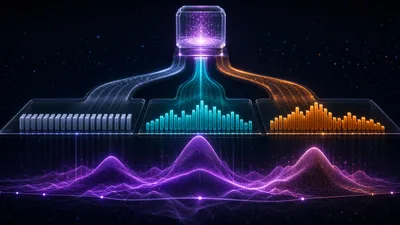
TWAP mu VWAP mi POV mu: bir execution benchmark seçmek (ve her birinin ne zaman size yalan söylediğini bilmek)
TWAP, VWAP ve POV bir hacim tahminine yapılan bahislerdir. Her schedulerın gizli varsayımlarını didikliyor, kripto günlük içi hacim eğrileri oluşturuyor ve üçünü de yeniden oynatılmış L2 verisi üzerinde kafa kafaya karşılaştırıyoruz.
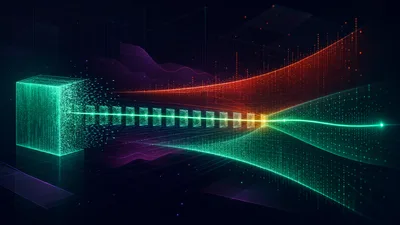
Elle Sallamadan Almgren-Chriss: Bir Öğleden Sonrada Uygulayabileceğiniz Optimal Execution
Almgren-Chriss optimal execution modelinin tam türetimi: doğrusal impact, sinh/cosh trajektorisi, etkin sınır ve Binance L2 ile trade verisinden eta, gamma ve sigma kalibrasyonu için çalışan Python kodu.
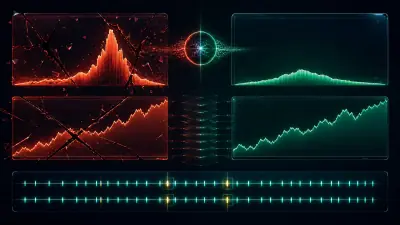
Dürüst Negatif: On Binlerce Backtest, Beş Ana Coin, Sağlam Bir Getiri Yok
Ara-ve-aşırı-uydur (overfit) yayının doruk noktası ve bir negatif sonuçla bitiyor — doğru olanla. ETHUSDT üzerinde tek sembollü, çift zaman dilimli bir arama, örneklem dışında +16.35% ve dokunulmamış bir holdout'ta +2.62% değerinde bir konfigürasyon buldu; ~37,000 denemeyi hesaba katan Deflated Sharpe Ratio bunu 0.00'a indirdi. Beş ana coin (ETH/BTC/SOL/BNB/XRP, her biri ~1.18M 1d bar) üzerinde, örneklem dışı medyana göre seçim yapan enstrümanlar-arası bir tarama bunu kesin olarak öldürüyor: çift DSR 0.24 / PBO 0.264, üçlü DSR 0.14 / PBO 0.327 — ikisi de kapıları geçemiyor. Şampiyon 5 sembolden 1'inde kârlı, geri kalanında negatif. Aşırı-uydurma önleme aygıtı tam da bunun için var: gürültünün en iyisini alfa diye piyasaya sürmeni engellemek için.
Çok Zaman Dilimli Backtestlerde Look-Ahead Olmadığını Kanıtlamak: Geleceği Bozun, Geçmişin Onu Göremediğini Kanıtlayın
Çok zaman dilimli backtestler, henüz oluşmakta olan ve nihai kapanışı daha var olmayan bir üst zaman dilimi barı üzerinden geleceği sızdırır. Bu konuda güvene sadece kod incelemesiyle ulaşamazsınız — test etmeniz gerekir. Canlı botun closed-bar kuralını birebir yeniden üretiyor, ardından geleceği kaydıran bir probe ile sızıntı olmadığını kanıtlıyoruz: gelecekteki her barı bozup geçmişteki her sinyalin ve işlemin bit bit değişmediğini doğruluyoruz. 25/25 parite kontrolü ve probe'un gerçekten ısırığı var.
GPU Ne Zaman Karşılığını Verir: Parametre Taraması Roofline'ı — Manşetteki 167x'in Aslında 27x Algoritma Çarpı 6.2x Donanım Olduğu Yer
GPU'nun CPU'ya karşı üstünlüğü batch boyutuyla büyüyor — çoklu zaman dilimli gösterge ön hesaplamamızda çağrı başına tek kombinasyonda 54.5x'ten 61 kombinasyonda 359.6x'e — çünkü küçük bir tarama, kernel başlatma ve aktarım ek yükünü amorti edemiyor. Manşetlik bir 167x'i, CPU'ya da aynı şekilde yarayan 27x'lik bir algoritmik kazanç ile 6.2x'lik bir donanım kazancına ayrıştırıyoruz; gerçek GPU-en-iyi-CPU üstünlüğünün tek zaman diliminde yalnızca 3.2x, çokluda 6.2x olduğunu gösteriyoruz ve bir GPU'ya yatırım yapmaya değmesi için bir taramanın ne kadar geniş olması gerektiğine dair bir karar rehberi veriyoruz.
GPU Hassasiyet Tuzağı: Apple Metal Üzerinde fp32 Backtest Nasıl Sessizce Çöp Değerler Döndürür
Apple'ın Metal GPU'sunda float64 yok. Vektörleştirilmiş bir backtest'i buna naif şekilde taşıyın ve cazip prefix-sum WMA fp32'yi taşırır — maksimum bağıl hata 211× — ama yine de çalışır ve makul görünen sayılar döndürür. Çözüm daha fazla hassasiyet değil; farklı bir formülasyon: doğrudan pencereli konvolüsyon, 8×10⁻⁷ hassasiyetiyle fp32-güvenli ve tek iş parçacıklı numba'dan 55.9× daha hızlı. Tuzak, aritmetik ve içine düşmediğinizi nasıl kanıtlarsınız.