Eugen Soloviov
Trading-systems engineer
Trading-systems engineer building bots since 2017: cross-exchange arbitrage (connected up to 30 venues), cointegration-based pairs arbitrage across spot and futures, scalping, news and sentiment-driven strategies, trend algorithms, and portfolio management and balancing algorithms. Also builds sub-millisecond order execution, big-data warehouses, backtesting engines, AI agents, and trading interfaces (incl. open-source profitmaker.cc). Stack: JS/TS, Python, Rust/Zig/Go, DevOps, backend, frontend, architecture.
Articles
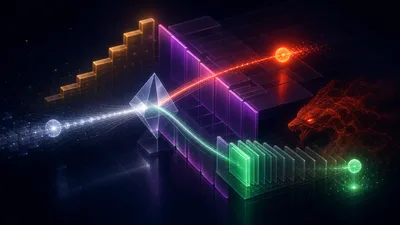
Maker-taker чечими: fee тиерлери, ребейттер жана спредди кесип өтүүнүн чыныгы баасы
Maker вс taker — fee тарифине оронгон adverse selection мамилеси. Break-even математикасы Glosten-Milgrom аркылуу, крипто биржалардын чыныгы fee тиерлери жана токен арзандатуулары, rebate mining тарыхы, queue-ге көз каранды rebate наркы, жана backtest'те тиерленген fee'лерди моделдөө.
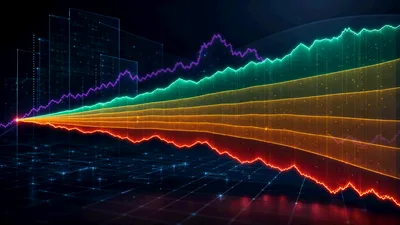
Implementation shortfall жана өз алдынча TCA: аткаруу чын-чынына канчага түшөрүн өлчөө
Perold-дун implementation shortfall теориясы крипто-боттор үчүн иштеп жаткан TCA түтүгүнө айланды: arrival-баа боюнча декомпозиция, t+1s/10s/60s үчүн markout ийриктери, өз fill'дериңиз боюнча ~200 сап Python, жана натыйжаларды backtest'иңиздин чыгым моделине кайра киргизүү.
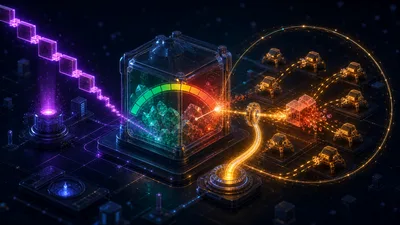
Чейнде ликвидациялар: Aave жана Compound механикасы, ошондой эле алардын тегерегиндеги бот бизнеси
Aave v3 жана Compound ликвидациялары чындыгында кантип иштейт: health factor математикасы, close factor'лор, ликвидация бонустары, Chainlink oracle триггерлери, жана 2026-жылы flash loan ликвидация ботун иштетүү үчүн эмне талап кылынат.
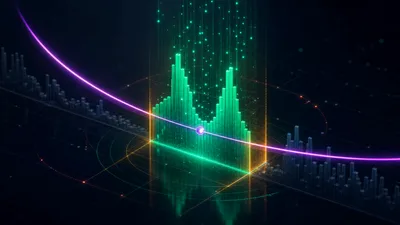
Кванттар үчүн Uniswap v3: топтолгон ликвиддүүлүк жана негизги принциптерден баштап tick математикасы
Uniswap v3 капот астында чындыгында кантип иштейт: виртуалдык резервдер, ликвиддүүлүк L, sqrtPriceX96, tick математикасы, feeGrowthInside жана эмне үчүн LP позициясы кыска волатилдүүлүк төлөмү болуп саналат. Так формулалар жана иштелип чыккан сандык мисал менен.
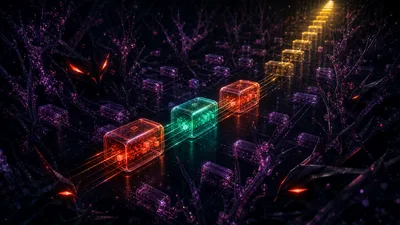
MEV анатомиясы: sandwich чабуулдары, frontrunning жана мемпулдун караңгы токою
Ачык RPC'го жиберген ар бир swap'ыңыз аткарууга эч ким милдеттүү болбогон көрүнүктүү лимиттик ордер. MEV чыгарылышынын кантип иштээрин техникалык талдоо: мемпул тартиби, Uniswap v2'деги sandwich математикасы, PGA, Flashbots жана трейдердин коргонуу ыкмалары.
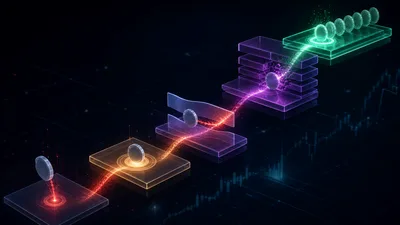
Филл симуляциясы: клоуз-баадагы фантазиядан кезек-эске алган чындыкка чейинки тепкич
Филл симуляциясынын тактыгынын беш баскычы — клоуз-баадагы филлдерден баштап кезектеги позицияны эске алган ыктымалдык моделдерге чейин. Штат машинасы катары бөлүк-филлдер, PnL кашаасы катары лимит-филл ыктымалдыгынын чектери жана лайв филлдерге карата калибрлөө цикли.
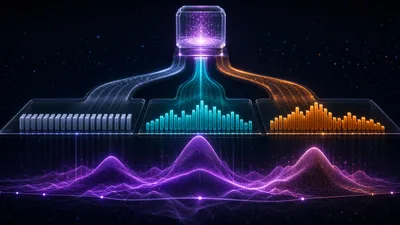
TWAP vs VWAP vs POV: аткаруу бенчмаркин тандоо (жана алардын ар бири качан сизди алдаарын билуу)
TWAP, VWAP жана POV — булар кɵлɵм божомолуна коюлган коюмдар. Ар бир пландоочунун жашыруун божомолдорун талдап, крипто ичиндеги кɵлɵм ийри сызыктарын курабыз жана уч алгоритмди тең кайра ойнотулган L2 маалыматтарында бетме-бет салыштырабыз.
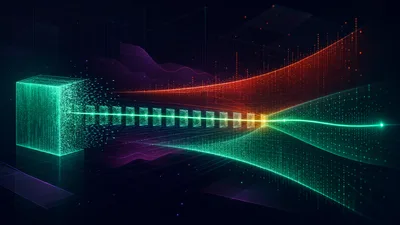
Ашык-айкын Almgren-Chriss: бир түштөн кийин ишке ашыра турган оптималдуу аткаруу
Almgren-Chriss оптималдуу аткаруу моделинин толук чыгарылышы: сызыктуу таасир, sinh/cosh траекториясы, натыйжалуу чек ара жана Binance L2 менен соода маалыматтарынан eta, gamma, sigma параметрлерин калибрлөө үчүн иштеген Python коду.
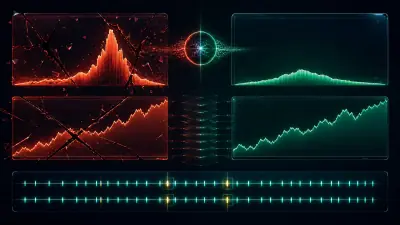
Чынчыл терс натыйжа: он миңдеген бэктест, беш ири монета, туруктуу артыкчылык жок
Издөө жана оверфиттинг багытындагы макалалардын жыйынтыктоочусу — жана ал терс натыйжа менен бүтөт, ал эми бул туура натыйжа. ETHUSDT боюнча бир символдук, кош таймфреймдүү издөө үлгүдөн тышкары +16.35% жана тийбеген холдаутта +2.62% берген конфигурацияны тапты; ~37,000 сыноону эске алган Дефляцияланган Шарп коэффициенти аны 0.00гө чейин дефляциялады. Беш ири монета боюнча (ETH/BTC/SOL/BNB/XRP, ар бири ~1.18 млн 1 мүнөттүк бар) үлгүдөн тышкаркы медиана менен тандаган инструменттер аралык текшерүү аны биротоло жокко чыгарды: кош таймфрейм DSR 0.24 / PBO 0.264, үч таймфрейм DSR 0.14 / PBO 0.327 — экөө тең гейттерден өтпөйт. Чемпион 5 символдун 1инде гана кирешелүү, калгандарында терс. Оверфиттингге каршы аппарат так ушул үчүн бар: шумдун эң мыктысын альфа катары ишке чыгарып жибербешиң үчүн.
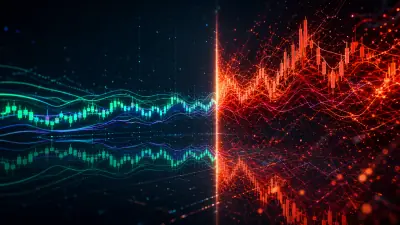
Multi-Timeframe Backtest'терде Look-Ahead Жоктугун Далилдөө: Келечекти Бузуп, Өткөндүн Аны Көрө Албастыгын Далилде
Multi-timeframe backtest'тер келечекти агызып жиберет — себеби али калыптанып жаткан жогорку timeframe bar'ынын акыркы close'у азырынча жок. Ишенимге код-ревью аркылуу жетүүгө болбойт, аны текшерүү керек. Биз live боттун closed-bar эрежесин так кайра жаратып, андан кийин shifted-future probe менен агуу жоктугун далилдейбиз: ар бир келечектеги bar'ды бузуп, ар бир өткөн сигнал жана trade bitwise өзгөрбөгөнүн ырастайбыз. 25тен 25 parity текшерүүсү өттү, жана probe чын эле иштейт.
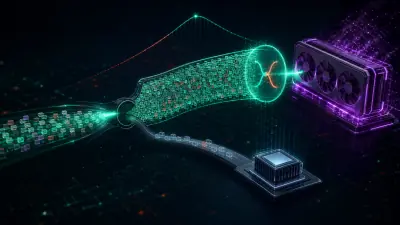
GPU качан өзүн актайт: параметр сыдыруунун roofline модели, же жарнамалык 167x чындыгында — 27x алгоритм менен 6.2x жабдыктын көбөйтүндүсү
GPU-нун CPU-дан озуусу топтомдун өлчөмү менен өсөт — биздин көп таймфреймдүү индикаторлорду алдын ала эсептөөдө чакырыгына бир комбинацияда 54.5x болсо, 61 комбинацияда 359.6x-ке жетет — анткени кичине сыдыруу ядрону ишке киргизүү жана маалымат ташуу үстөк чыгымын амортизациялай албайт. Биз жарнамалык 167x-ти CPU-га да жардам берген 27x алгоритмдик утушка жана 6.2x жабдык утушуна ажыратабыз, GPU менен эң мыкты CPU ортосундагы чыныгы озуу бир таймфреймде болгону 3.2x, көп таймфреймде 6.2x экенин көрсөтөбүз жана GPU сатып алганга татышы үчүн сыдыруу канчалык кенен болушу керектиги боюнча чечим колдонмосун беребиз.
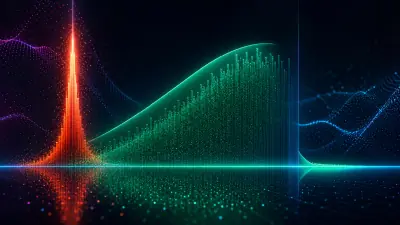
GPU тактыгынын тузагы: Apple Metal үстүндөгү fp32 бэктест кантип үнсүз таштанды кайтарат
Apple'дын Metal GPU'сунда float64 жок. Векторлоштурулган бэктестти ага акылсызча которсоңуз, азгырган prefix-sum WMA fp32'ни толуп кетирет — максималдуу салыштырма ката 211× — бирок ал баары бир иштеп, ынанымдуу көрүнгөн сандарды кайтарат. Чечим — көбүрөөк тактык эмес; бул башка формулировка: түз терезелик convolution, fp32 үчүн 8×10⁻⁷ чейин коопсуз жана бир агымдуу numba'дан 55.9× тезирээк. Тузак, арифметика жана сиз ага түшпөгөнүңүздү кантип далилдөө керек.