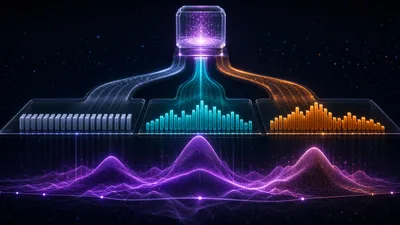
OneTick: биржалар спуферлерди кармап, хедж-фонддор альфа издеген платформа

Bloomberg — терминал керек болгон аналитиктер үчүн. TradingView — графиктер керек болгон чекене трейдерлер үчүн. Бирок бир биржада трейдер башка биржадагы баасын жылдыруу үчүн жасалма буйрутмаларды коюп жатканын реалдуу убакытта аныктоо керек болгондо — ага OneTick керек.
OneTick — атайын каржы рыноктору үчүн иштелип чыккан ишкана деңгээлиндеги убакыт катары маалымат базасы жана агымдык аналитика кыймылдаткычы. Бул TimescaleDB же InfluxDB сыяктуу жалпы багыттагы TSDB эмес. Бул ClickHouse сыяктуу жөн эле ылдам мамычалуу сактагыч да эмес. Бул каржы дайындарын түшүнгөн платформа: соода/баа мамилелери, буйрутма китебинин тереңдиги, корпоративдик аракеттер жана рыноктор аралык корреляциялар. Анын кардарларына биржалар, инвестициялык банктар, хедж-фонддор, маркет-мейкерлер жана брокерлер кирет.
OneTick-тин үч тиреги
Платформа бир кыймылдаткыч менен түп тамырынан бери ар башка үч маселени чечет:
| Тирек | Ким колдонот | Эмне үчүн |
|---|---|---|
| Рынокту байкоо (Market Surveillance) | Биржалар, жөнгө салуучулар, комплаенс бөлүмдөрү | Манипуляцияны аныктоо, MiFID II / MAR / SEC / FINRA талаптарына шайкештик |
| Квант-изилдөө (Quant Research) | Хедж-фонддор, prop desk-тер | Альфа генерациясы, стратегияны бэктестирлөө, микроструктураны талдоо |
| Соода аналитикасы (Trading Analytics) | Sell-side desk-тер, брокерлер | TCA, эң жакшы аткарууну байкоо, ликвиддүүлүктү көзөмөлдөө |
Негизги идея: үч жумуш жүгү тең тарыхый жана реалдуу убакыттагы дайындарды иштетүүчү бир кыймылдаткычта иштейт. Бөлөк агымдык система жана бөлөк бэктестирлөө системасы керек эмес — бул бир гана платформа.
Архитектура: сурам тили катары багытталган циклсиз граф (DAG)

OneTick-тин негизги архитектуралык чечими: сурамдар SQL тилинде түзүлбөйт (бирок SQL да колдоого алынат), тескерисинче Event Processors (EP) элементтеринин багытталган циклсиз графы (DAG) түрүндө түзүлөт.
Event Processor деген эмне
Event Processor — эсептөөнүн атомдук бирдиги. Ар бир EP бир гана операцияны аткарат: чыпкалоо, агрегация, кошулуу (join), туунду талааларды эсептөө, VWAP эсептөө же буйрутма китебин калыбына келтирүү. Дайындар (тиктер) EP чынжырчасы аркылуу булактардан кабылдагычтарга чейин агат.
Окшоштук: заводдогу конвейер линиясы. Тик (убакыт белгиси бар жазуу) графка сол жактан кирет, иштетүүчүлөр чынжырчасынан өтөт, ал чыгуу — даяр натыйжа: сигнал, агрегатталган метрика же белги.
Эмне үчүн SQL эмес, DAG
| Аспект | SQL мамилеси | DAG (Event Processors) |
|---|---|---|
| Агымды иштетүү | Бөлөк фреймворк керек (Flink, Spark) | Тубаса — бир эле граф агымдарда да, тарыхта да иштейт |
| Татаал түтүктөр | Уялаган ички сурамдар, CTE, терезе функциялары | Түйүндөрдүн көрсөтмөлүү композициясы — ар бир түйүн өзүнчө түшүнүктүү |
| Кайра колдонуу | SQL блокторун көчүрүп-чаптоо | EP-лер ар кандай графтарга туташтырылуучу кайра колдонулуучу компоненттер |
| Мүчүлүштүктөрдү оңдоо | EXPLAIN ANALYZE + божомолдоо |
Дайындарды графтын каалаган түйүнүнөн алууга болот |
| Параллелдик | СУБД оптимизатору чечет | Символдор, даталар, CPU өзөктөрү боюнча так параллелдештирүү |
Графтарды курулма дизайнер ("paint-a-canvas") аркылуу көрсөтмөлүү түрдө же Python API аркылуу программалык түрдө курууга болот.
Өндүрүмдүүлүк
OneTick билдирген көрсөткүчтөр (жана аны индустрия ырастайт):
| Метрика | Мааниси |
|---|---|
| Тиктерди топтоо | сутка сайын >1 триллион тик |
| Массалык иштетүү | >10 миллион тик/сек/өзөк |
| Убакыт белгисинин тактыгы | Миллисекунддан кичине |
| Тарыхый тереңдик | 1970-жылдан тартып дайындар (TickData аркылуу) |
| Актив класстары | Акциялар, фьючерстер, опциондор, туруктуу киреше, крипто |
Салыштыруу үчүн: бир ликвиддүү акция (AAPL) үчүн типтүү L2 агымы чоку сааттарында болжол менен 100 миң билдирүү/сек генерациялайт. Бүткүл АКШ акциялар рыногу үчүн — күнүнө жүздөгөн миллион билдирүү. OneTick ушунун баарын запас менен иштетүүгө ылайыкталган.
Рынокту байкоо: OneTick индустрия стандарты болгон тармак

Рынокту байкоо — OneTick-тин эң күчтүү колдонуу учуру. Платформаны соода активдүүлүгүн байкоо үчүн биржалардын өздөрү колдонушат.
Кандай манипуляциялар аныкталат
| Манипуляция | Эмне болот | Кантип аныкталат |
|---|---|---|
| Спуфинг (Spoofing) | Трейдер баасын жылдыруу үчүн ири буйрутма коёт, андан кийин аткарылганга чейин аны жокко чыгарат | Коюлган/жокко чыгарылган буйрутмалардын катышын талдоо, жокко чыгаруу ылдамдыгы |
| Лейеринг (Layering) | Суроо-талап иллюзиясын түзүү үчүн бир нече баа деңгээлинде көптөгөн буйрутмалар | Буйрутма китебиндеги "тепкич" үлгүсү + карама-каршы жактагы аткаруулар менен корреляция |
| Wash Trading | Трейдер жасалма көлөм түзүү үчүн өзү менен соода жүргүзөт | Эсептерди өз ара салыштыруу, убакытты талдоо, IP дарегдер |
| Front-Running | Брокер кардардын ири буйрутмасынан мурда соода жүргүзөт | Менчик бүтүмдөр менен кардар агымдарынын ортосундагы убактылуу корреляциялар |
| Marking the Close | Жабылуу баасын манипуляциялоо үчүн сессиянын аягында атайылап жасалган бүтүмдөр | Акыркы мүнөттөрдөгү активдүүлүктү күн ичиндеги орточо менен салыштыруу |
| Quote Stuffing | Атаандаштарды жайлатуу үчүн буйрутмаларды массалык генерациялоо/жокко чыгаруу | Билдирүүлөрдүн адаттан тыш жыштыгы, буйрутма-бүтүм катышы |
| Insider Trading | Ачык эмес маалыматка негизделген соода | Адаттан тыш үлгүлөрдүн корпоративдик окуялар менен корреляциясы |
Рынокаралык жана активаралык мониторинг
Эң татаал учур: рыноктордун ортосундагы манипуляция. Трейдер бир биржадагы фьючерс баасын жылдырат, ошол эле учурда башка биржадагы байланыштуу опциондон пайда табат. Же LSE-де негизги акция менен эмне болорун билип туруп, NYSE-де ADR соодалайт.
OneTick бир нече аянттардын дайындарын бир агымга бириктирет жана инструменттердин ортосундагы структуралык байланыштар ачык эмес болсо да, рынокаралык үлгүлөрдү издейт.
Жөнгө салуучулук камтуу
| Жөнгө салуучу / стандарт | Юрисдикция |
|---|---|
| MiFID II / MAR | Европа |
| SEC / FINRA | АКШ |
| ASIC | Австралия |
| IIROC | Канада |
Сигналдарды баалоо үчүн "ак кутучаа" AI
Байкоонун классикалык көйгөйү — жалган позитивдер. Күнүнө 10 миң сигнал болгондо, 5 адамдан турган комплаенс тобунун ар бирин карап чыгууга мүмкүнчүлүгү жок. OneTick "ак кутучаа" ML колдонот: моделдер чыныгы манипуляциянын ыктымалдыгын баалайт жана ошону менен бирге себебин көрсөтөт — жогорку упайга так кайсы факторлор алып келгенин. Бул кара кутучаа эмес, түшүндүрүлүүчү модель, бул жөнгө салуучулар үчүн өтө маанилүү.
Квант-изилдөө: тиктерден альфага чейин
Хедж-фонддор жана квант-desk-тер үчүн OneTick жөн эле дайын сактагыч эмес. Бул дайындар менен аналитика бир жерде жашаган изилдөө чөйрөсү.
Эмне кылса болот
-
Рынок микроструктурасын талдоо. Өткөндөгү каалаган учурда буйрутма китебин калыбына келтирүү, ликвиддүүлүк тереңдигин, спрэддерди жана буйрутма агымынын теңсиздигин талдоо.
-
Стратегияны бэктестирлөө. Тарыхый тик дайындарда убакыт чекитиндеги тактык менен соода стратегияларын иштетүү. Look-ahead жактоо жок — дайындар реалдуу убакытта жеткиликтүү болгон тартипте катуу кайтарылат.
-
Сигнал генерациясы. Гипотезаларды текшерүү: "Эгер bid-ask спрэди өсүп жаткан көлөм менен 3σ-га кеңейсе — бул кайра бурулуштун божомолчусубу?" Ондогон жылдык дайындар боюнча, бардык инструменттер боюнча.
-
Тик дайындардагы ML. MDRE (Market Data Research Environment) — дайын илими үчүн Python/Pandas сыяктуу API. Гиперпараметрлерди тууралоо, кросс-валидация, моделди иштетүү — түз эле тик дайындарда, бөлөк системага экспорттобостон.
Жетүү ыкмалары
| Интерфейс | Кимге |
|---|---|
| Python / Pandas API | Дайын илимпоздору, ML инженерлери |
| SQL | Реляциялык маалымат базалары менен тааныш аналитиктер |
| DAG Designer | Көрсөтмөлүү сурам куруу |
| Менчик граф тили | Тажрыйбалуу OneTick колдонуучулары |
Соода аналитикасы: TCA жана эң жакшы аткаруу
MiFID II-ден кийин эң жакшы аткаруу (best execution) сунуш эмес — бул мыйзамдуу талап. Брокерлер кардар бүтүмдөрүн жеткиликтүү болгон эң жакшы баада аткарганын далилдөөгө тийиш.
Транзакция чыгымын талдоо (TCA)
OneTick аткаруу баасын эталондор менен салыштырууга мүмкүндүк берет:
| Эталон | Эмнени өлчөйт |
|---|---|
| VWAP | Мезгил ичиндеги көлөм менен өлчөнгөн орточо баа |
| Arrival Price | Буйрутма кабыл алынган учурдагы баа |
| Implementation Shortfall | Соода жүргүзүү чечими менен чыныгы аткаруунун ортосундагы айырма |
| Spread Cost | Bid-ask спрэдиндеги чыгымдар |
Реалдуу убакыттагы ликвиддүүлүк мониторинги
FX desk-тер жана алго-трейдерлер үчүн: OneTick учурдагы спрэддерди жана көлөмдөрдү тарыхый орточо менен салыштырат. Эгер EUR/USD спрэди айлык орточодон 2σ-га кеңейсе — бул аномалия, жана алгоритм аткарууну жайлатышы же альтернативдик аянтка которулушу мүмкүн.
Жайгаштыруу: on-prem жана cloud
| Модель | Сүрөттөмө |
|---|---|
| On-Premises | Толук көзөмөл, дайындар периметрден эч качан чыкпайт. Дайын резиденттигине катаал талаптары бар банктар үчүн |
| OneTick Cloud | Толугу менен башкарылуучу кызмат. Инфраструктураны башкаруусуз масштабдоо |
| Гибрид | Булуттагы тарыхый дайындар, соода кыймылдаткычынын жанындагы on-prem реалдуу убакыт |
Альтернативалар менен салыштыруу
| Мүмкүнчүлүк | OneTick | kdb+ (KX) | QuestDB | TimescaleDB |
|---|---|---|---|---|
| Адистешүү | Каржы — дароо даяр | Каржы — иштеп чыгуу аркылуу | Жалпы TSDB | Жалпы TSDB |
| Сурам тили | DAG + SQL + Python | q (вектордук, окуу ийри сызыгы тик) | SQL | SQL |
| Агым + тарых | ✅ Бирдиктүү кыймылдаткыч | ✅ (kdb Insights) | ⚠️ Чектелген | ⚠️ Кеңейтүүлөр аркылуу |
| Surveillance | ✅ Даяр моделдер | ❌ Өзүң курушуң керек | ❌ | ❌ |
| TCA | ✅ | ❌ Өзүң курушуң керек | ❌ | ❌ |
| Ingestion | >10 млн тик/сек/өзөк | ~10 млн+ тик/сек/өзөк | ~3 млн+ саптар/сек | ~1 млн+ саптар/сек |
| Иштеп чыгуучунун чыгымы | Төмөн (даяр EP-лер) | Жогору (q адистери) | Төмөн (SQL) | Төмөн (PostgreSQL) |
| Ачык код | ❌ Enterprise | ❌ Enterprise | ✅ Apache 2.0 | ✅ Apache 2.0 |
| Cloud | ✅ OneTick Cloud | ✅ kdb Insights | ✅ QuestDB Cloud | ✅ Timescale Cloud |
OneTick-ти качан тандоо керек
- Сиз биржа же жөнгө салуучу болсоңуз жана даяр аныктоо моделдери бар surveillance керек болсо.
- Сиз sell-side desk болсоңуз жана жөнгө салуучулар TCA жана best execution отчётторун талап кылса.
- Сиз квант-фонд болсоңуз жана тарыхый изилдөө менен тирүү мониторинг бир курал болгон платформа керек болсо.
OneTick качан ашыкча болот
- Сиз чекене трейдер же кичине крипто команда болсоңуз. OneTick — ишкана деңгээлиндеги баасы бар ишкана продукту.
- Аналитикасыз жөн эле маалымат базасы керек болсо. QuestDB же TimescaleDB ылайыктуу болмок.
- Дайыныңыз каржы тиктери эмес болсо. IoT, мониторинг, логдор — бул башка ниша, жана анда OneTick ашыкча.
Экосистема: OneTick + TickData
OneTick тарыхый тик дайындардын эң ири провайдерлеринин бири — TickData — менен тыгыз интеграцияланган. Камтуу:
- АКШ акциялары — 1970-жылдан
- Дүйнөлүк биржалар — 80+ аянт
- Бардык актив класстары — акциялар, фьючерстер, опциондор, туруктуу киреше, FX
- Крипто — спот жана туунду инструменттер
Квант-изилдөө үчүн бул чечүүчү: тарых канчалык терең болсо, бэктест ошончолук ишенимдүү болот. 1970-жылдан баштап дайындар 1987, 2000, 2008 жана COVID-2020 кризистерин кошо алганда, ондогон рыноктук режимдерде стратегияларды текшерүүгө мүмкүндүк берет.
Шилтемелер
- 🌐 OneTick: onetick.com
- 🌐 OneTick Use Cases: onetick.com/use-cases
- 📊 TickData: tickdata.com
- 🌐 kdb+ (KX): kx.com
- 🌐 QuestDB: questdb.io
- 🌐 TimescaleDB: timescale.com
Корутунду
OneTick "жөн эле дагы бир убакыт катары маалымат базасы" эмес. Бул бир кыймылдаткыч менен үч маанилүү муктаждыкты чечкен каржы дайындары үчүн тик бурчтап интеграцияланган платформа: биржалар жана комплаенс үчүн surveillance, хедж-фонддор үчүн квант-изилдөө жана sell-side үчүн TCA/best execution. Event Processors негизинде курулган DAG архитектурасы — бирдей дайындарды реалдуу убакытта да, терең тарыхта да талдоо керек болгон дүйнө үчүн зериктирбеген чечим.
Тандоодогу негизги катачылык: OneTick-ти QuestDB же TimescaleDB менен "маалымат базасы менен маалымат базасы" катары салыштырбаңыз. OneTick — маалымат базасы + аналитика кыймылдаткычы + даяр бизнес колдонмолору (surveillance моделдери, TCA эталондору, комплаенс отчётторо). Эгер сизге жөн эле тез тик ingestion керек болсо — QuestDB алыңыз. Эгер дайын топтоодон жөнгө салуучулук отчётко чейинки толук циклди керек болсо — OneTick жалгыз гана kdb+ менен атаандашат жана кирүү тоскоолдугунун төмөндүгү (q тилин үйрөнүүнүн кереги жок) жана даяр бизнес модулдары аркылуу жеңип чыгат.
Өз инфраструктурасын куруп жаткан алготрейдинг командалары үчүн OneTick — эталон чекити: суткасына триллион тикти иштетип, ошол эле учурда аналитикке бир да сап код жазбастан сурамды көрсөтмөлүү курууга мүмкүндүк берген платформа кантип долбоорлонушу керектигинин үлгүсү.
Authors
Trading-systems engineer
Trading-systems engineer building bots since 2017: cross-exchange arbitrage (connected up to 30 venues), cointegration-based pairs arbitrage across spot and futures, scalping, news and sentiment-driven strategies, trend algorithms, and portfolio management and balancing algorithms. Also builds sub-millisecond order execution, big-data warehouses, backtesting engines, AI agents, and trading interfaces (incl. open-source profitmaker.cc). Stack: JS/TS, Python, Rust/Zig/Go, DevOps, backend, frontend, architecture.
Read More
PCMCI: Көп өзгөрмөлүү крипто убакыт сериясында себептик ачылыш
Implementation shortfall жана өз алдынча TCA: аткаруу чын-чынына канчага түшөрүн өлчөө