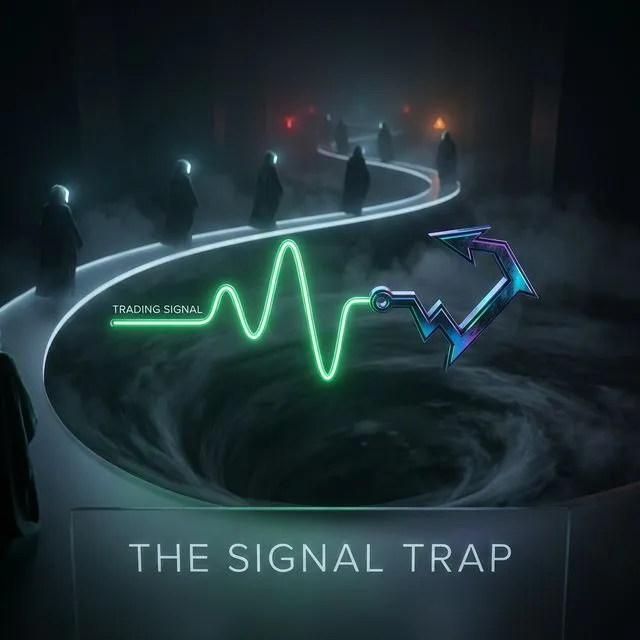
Hey there! Today let's talk about something that's been bothering me for quite a while in the trading world. We're going to discuss trading signals and copy trading. And no, this won't be another article in the spirit of "everything's bad, nothing works." Let's try to break down the mechanics of why these things don't work the way they promise us.
What's the Problem Anyway?
Stop-Loss Hunting: Market makers driving the price down to trigger retail stop-loss orders before reversing the trend.
Let's say you subscribed to a trading signals channel. The author publishes a signal: "Buy BTCUSDT at 45,000 USDT, stop-loss at 44,500 USDT, take-profit at 46,000 USDT." Sounds reasonable, right?
But here's the catch: all subscribers see the same information. And big players see it too. They know perfectly well that at the 44,500 USDT mark there's a bunch of stop-losses from thousands of retail traders.
What does a smart market maker do? Right, they "drive the shadow to the stop-loss" and collect all that liquidity at a favorable price. That is, they deliberately break through the level, activate a mass of stop orders, and then reverse the price back.
Front Running: When the Author Makes Money Off You
Front Running: Signal providers entering positions ahead of their subscribers, using the influx of retail liquidity to exit at a profit.
Now imagine another situation. The channel author is preparing to give a signal. What prevents them from:
Opening a position in advance
Publishing the signal
Waiting for thousands of subscribers to enter the market and push the price in the right direction
Closing their position with profit
Nothing prevents it. This is called front running, and it works flawlessly. You think you're following a successful trader, but actually you're just giving them liquidity.
Copy Trading: Even More Complicated
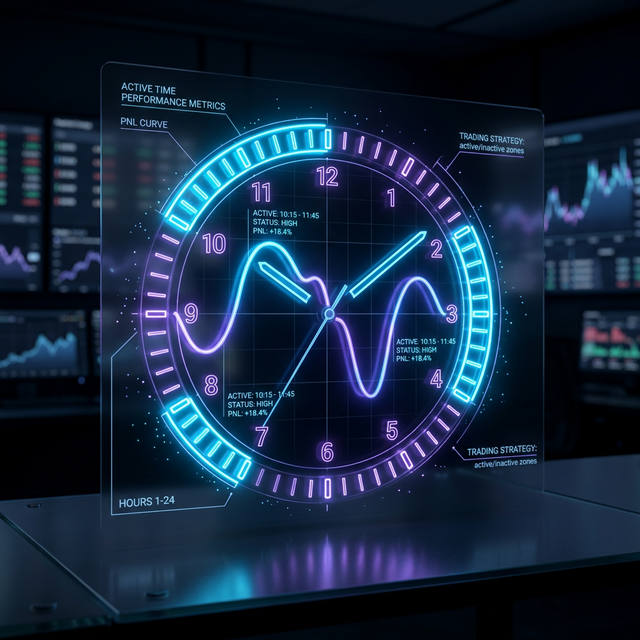
Copy Trading Slippage: The inevitable price discrepancy between the master trader's execution and the copier's delayed entry.
With copy trading, the story is similar, but with additional nuances. Main problems:
Slippage: When a master trader opens a position, you can't always repeat the trade at the same price. Especially if volatility is high — the difference can be several percent.
Statistics manipulation: Many platforms show only beautiful numbers. You see a profile with "ZERO failures" and think: "Now that's a trader!" But in reality, there could have been serious drawdowns that simply aren't displayed.
Exchange's interest in your losses: Yes, the exchanges themselves may be interested in copy traders draining their deposits. You become a source of liquidity, and your losses are someone else's profit.
Psychology of Deception
Scammers in this field use well-tested techniques:
Create an illusion of success through fake profit screenshots
Build trust through personal communication and "useful advice"
Pressure through FOMO: "Buy now, tomorrow will be too late!"
Use fake commentators to create an appearance of success
Classic scheme: first you invest a little, see small profit, then they convince you to invest more. And so on until you lose critical thinking.
Technical Manipulation Techniques
Stop-Loss Hunting
This is when the price is deliberately moved to levels of mass stop orders. Big players can:
Create artificial volatility to activate stops
Use "rocking" — gradually increase the amplitude of fluctuations
Apply algorithmic trading to outpace retail orders
Wash Trading
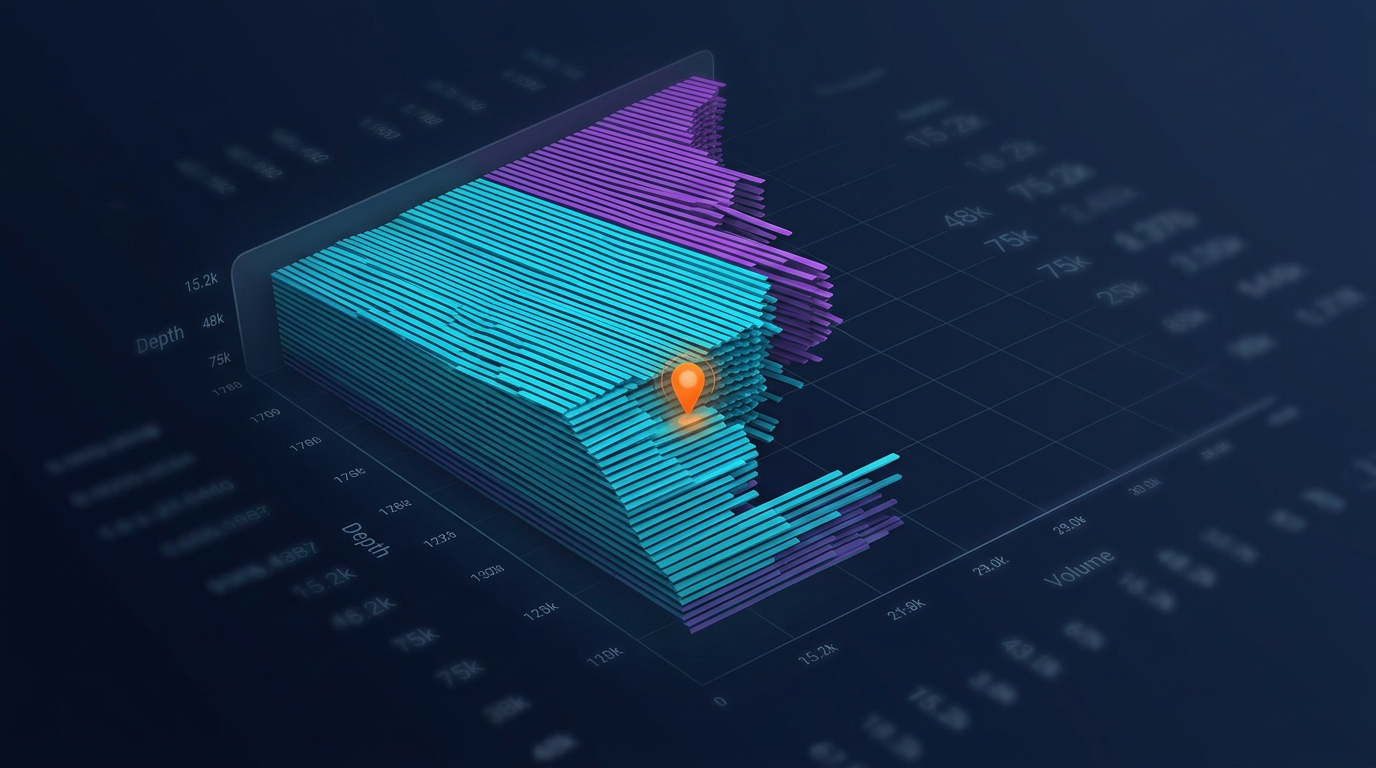
Wash Trading: Artificial volume generation through simultaneous buying and selling to create a false illusion of market activity.
This is simultaneous buying and selling by one participant to create false activity. In the context of signals, it means:
Artificially increasing volumes before giving a signal
Creating false momentum to attract subscribers
Imitating market interest
What Signal Providers Make Money On
Income sources are quite predictable:
Subscription: From 50 to 500 USDT per month from thousands of users
Referral commissions from exchanges
Front running their own signals
Selling "educational" courses
According to experts, dozens of people monthly become victims of such schemes. Damage from one channel can exceed half a million USDT.
How Not to Get Caught
Red flags:
Profit guarantees without mentioning risks
Closed comments in the channel
Pressure for quick decisions
Absence of verifiable trading history
Prepayment requirements
What you can do:
Never follow blindly — always conduct your own analysis
Diversify information sources
Keep a trading journal to track real effectiveness
Don't invest more than you can afford to lose
Fool-Proofing for Those Who Still Want to Try
If you absolutely must try signals, at least do it smartly:
Risk management per channel: no more than X% of deposit on one channel
Your own takes and stops: don't use recommended levels (you can lower leverage and move stops further than recommended — that is, further than manipulators calculate)
Mark compromised channels: if a channel has tarnished its reputation, you can trade against its signals
Analysis through LLM: let AI evaluate the correctness of the signal
Monitor deleted messages: track the number of deleted and edited signals (in Telegram this can be tracked through message.edit_date)
Bottom Line
The trading signals industry is a well-organized money transfer system from retail traders to those who create these signals. Promises of easy money are just bait.
The only really working approach is to study the market independently, develop analysis skills, and strictly observe risk management. If something sounds too good to be true, then it is.
The market is a cruel thing. Those who rely on others' signals and don't develop their own skills become food for more experienced players. Better spend time on education rather than searching for a magic "get rich quick" button.

 Stop-Loss Hunting: Market makers driving the price down to trigger retail stop-loss orders before reversing the trend.
 Front Running: Signal providers entering positions ahead of their subscribers, using the influx of retail liquidity to exit at a profit.
 Copy Trading Slippage: The inevitable price discrepancy between the master trader's execution and the copier's delayed entry.
 Wash Trading: Artificial volume generation through simultaneous buying and selling to create a false illusion of market activity.